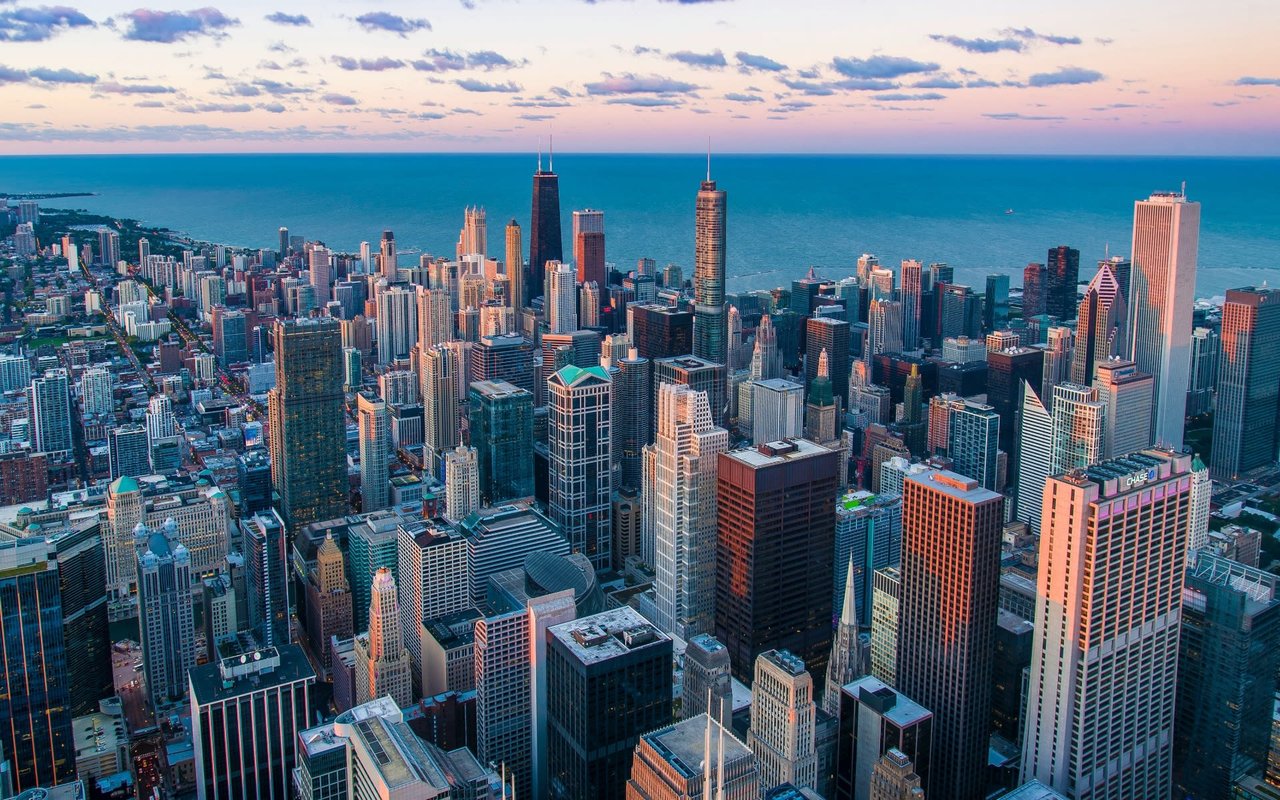
If you are thinking about relocating from Chicago to Coconut Grove, you are not alone. Nearly 35,000 Illinois residents moved to Florida between 2021 and 2022, and that trend has only continued. After years of brutal winters, high state taxes, and rising costs, more Chicagoans than ever are looking south for a better quality of life.
As a team that works with relocation buyers every week, we can tell you that Coconut Grove is one of the top landing spots for families and professionals coming from Chicago. The village feel, the walkability, the tree canopy, and the waterfront lifestyle remind many Midwesterners of the best parts of neighborhoods like Lincoln Park or Winnetka, but with year-round sunshine and no state income tax.
This guide covers everything you need to know about making the move from Chicago to Coconut Grove, from taxes and cost of living to neighborhoods, schools, and how to buy a home here.
Table of Contents
- Why Chicagoans Are Moving to Coconut Grove
- Taxes: What You Save Moving from Illinois to Florida
- Cost of Living: Chicago vs. Coconut Grove
- What the Housing Market Looks Like in Coconut Grove
- Neighborhoods Within Coconut Grove for Chicago Transplants
- Schools in and Around Coconut Grove
- Lifestyle: What Coconut Grove Actually Feels Like
- How to Buy a Home in Coconut Grove from Out of State
- What to Know Before You Move
Why Chicagoans Are Moving to Coconut Grove
The reasons are straightforward. Chicago winters are long, expensive, and hard on your quality of life. The average low temperature in January sits around 20 degrees, and the city sees over 35 inches of snow per year. Meanwhile, Coconut Grove's average winter temperature hovers around 70 degrees. You can eat outside, take the boat out, and walk the neighborhood in January without thinking about it.
But weather is only part of the story. Illinois has a 4.95% flat state income tax, some of the highest property taxes in the country, and a fiscal situation that makes many residents nervous about the long-term outlook. Florida has no state income tax, no estate tax, and a homestead exemption that caps annual property tax increases at 3%.
Then there is lifestyle. Coconut Grove offers something that most Miami neighborhoods do not: a genuine sense of community. It is walkable, quiet, shaded by a massive tree canopy, and surrounded by Biscayne Bay. If you love the charm of Chicago's North Shore but want palm trees and salt air, the Grove is your neighborhood.
Taxes: What You Save Moving from Illinois to Florida
This is usually the first question Chicagoans ask, and the math is real.
State income tax: Illinois charges a flat 4.95% income tax. Florida charges zero. For a household earning $500,000, that is roughly $25,000 per year in immediate savings.
Property taxes: Cook County property taxes are among the highest in the nation. The effective rate in many Chicago suburbs exceeds 2% of assessed value. In Miami-Dade County, the effective rate is closer to 0.9% to 1.1%, and Florida's homestead exemption provides additional savings once you establish residency.
Estate tax: Illinois has an estate tax with a $4 million exemption. Florida has no estate tax at all. For high-net-worth families, this alone can be a reason to make the move.
One important caveat: while taxes are lower in Florida, insurance costs are higher. Homeowners insurance and flood insurance in South Florida can add $5,000 to $15,000 or more per year depending on the property. This is a real cost that Chicago buyers need to factor into their budget. We always walk our clients through the full picture before they make an offer.
Cost of Living: Chicago vs. Coconut Grove
The overall cost of living comparison between Chicago and Miami is closer than you might expect. According to multiple cost-of-living calculators, Miami's overall cost of living runs about 6% to 22% higher than Chicago's, depending on the source and the specific neighborhoods being compared.
The biggest difference is housing. Coconut Grove is a luxury market. The median sale price for a single-family home in the Grove is well above $2 million, and waterfront properties start at $5 million and go up from there. If you are coming from Lincoln Park, Hinsdale, or Lake Forest, the price points will feel comparable. If you are coming from a more affordable Chicago neighborhood, the sticker shock in the Grove is real.
Groceries, dining, and everyday expenses in Miami are similar to Chicago. Transportation costs may actually go down if you are leaving the tolls and parking fees of downtown Chicago, though you will need a car in Miami since public transit is not as robust as the CTA.
The net financial picture for most Chicagoans moving to Coconut Grove comes out roughly even or slightly positive, with the income tax savings offsetting the higher housing and insurance costs. For higher earners, the savings grow significantly.
What the Housing Market Looks Like in Coconut Grove
Coconut Grove is a seller's market right now. Inventory is tight, well-priced homes sell quickly, and competition among buyers is real. We see properties go under contract in under 10 days when they are priced right, and some sell above asking price.
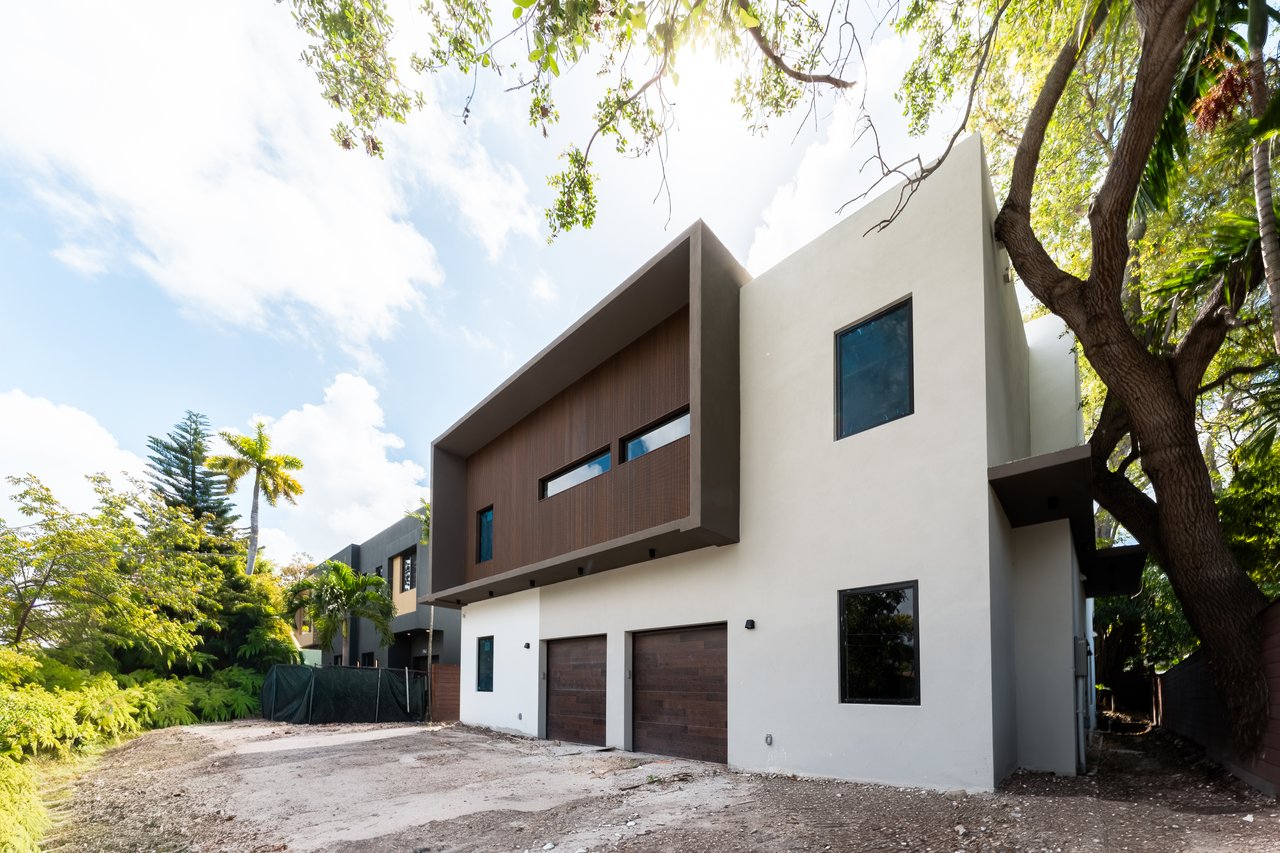
The market is dominated by single-family homes, with a mix of historic estates, mid-century modern renovations, and brand new construction. Gated communities like The Moorings, Camp Biscayne, and Four Way Lodge attract ultra-luxury buyers at $5 million and above. Outside the gated enclaves, you will find beautiful tree-lined streets with homes ranging from $1.5 million to $8 million depending on size, condition, and proximity to the water.
For buyers coming from out of state, the most important thing to understand is that Coconut Grove moves fast. Homes do not sit on the market for months like they might in some Chicago suburbs. If you see something you like, you need to be ready to act.
Neighborhoods Within Coconut Grove for Chicago Transplants
North Grove
This is the most established and expensive part of the Grove. It includes the waterfront gated communities and the streets closest to Biscayne Bay. If you are coming from the North Shore or Gold Coast and want the best of the best, North Grove is your target. Expect prices from $3 million to $30 million.
South Grove
South Grove offers a slightly more relaxed feel with larger lots and more privacy. It borders Coral Gables and has a mix of newer construction and older homes with renovation potential. Prices tend to range from $1.5 million to $6 million. For Chicago buyers looking for value relative to the North Grove, this area is worth exploring.
Center Grove
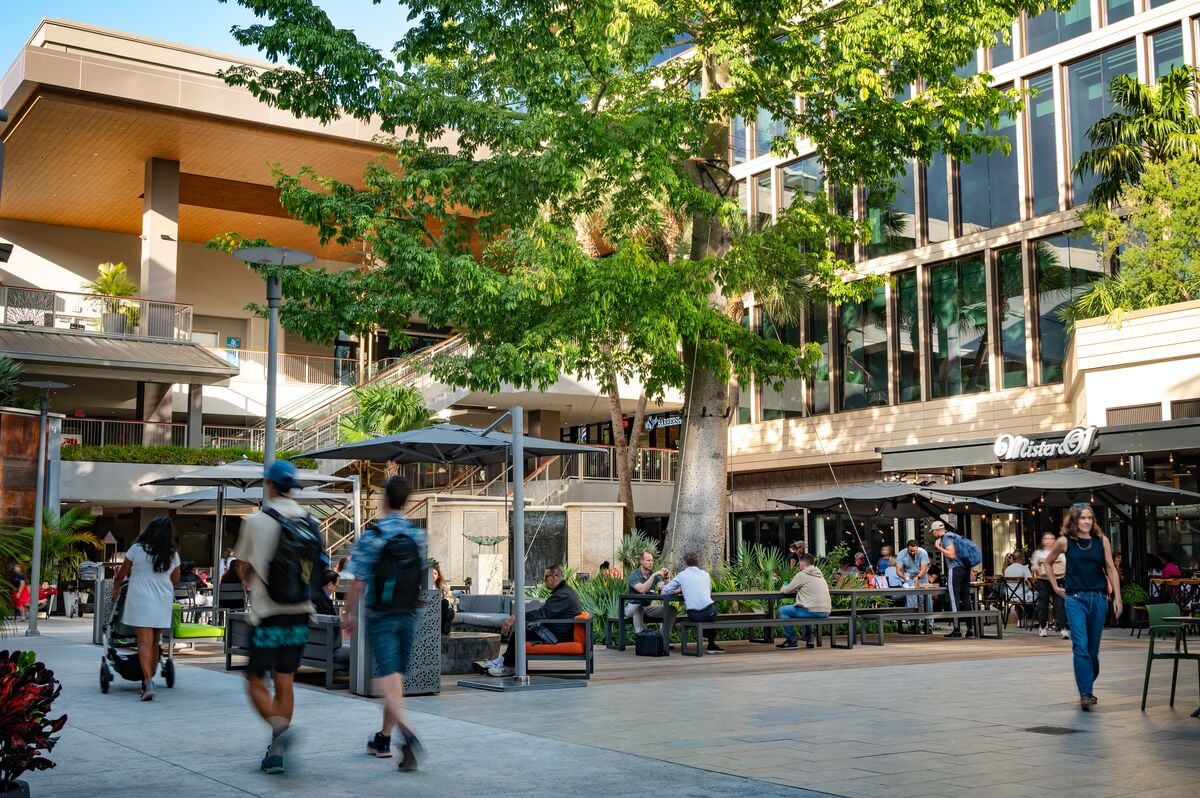
The heart of the village, centered around CocoWalk, Main Highway, and the commercial core. Living here puts you within walking distance of restaurants, shops, the farmers market, and Regatta Park. It has a Lincoln Park or Bucktown energy, where you can walk out your front door and be in the middle of everything.
Schools in and Around Coconut Grove
For families, schools are a top priority. Coconut Grove has strong options in both the public and private systems.
Public schools: Coconut Grove Elementary is a well-regarded neighborhood school. George Washington Carver Middle School serves the area, and Coral Gables Senior High is the nearby public high school with strong academics and extracurriculars.
Private schools: The Grove and surrounding areas are home to some of the best private schools in Florida. Ransom Everglades is consistently ranked as one of the top private schools in the state. Carrollton School of the Sacred Heart, Gulliver Preparatory, and St. Hugh Catholic School are all popular choices among Grove families.
If you are coming from the competitive school landscape of Chicago's North Shore or the private school circuit in Lincoln Park, you will find a comparable (and in some cases stronger) selection here in the Grove.
Lifestyle: What Coconut Grove Actually Feels Like
This is where Coconut Grove really wins over Chicago transplants. The Grove is not a typical Miami neighborhood. It does not feel like South Beach, Brickell, or Wynwood. It feels like a small town that happens to be on the water in one of the most dynamic cities in the world.
Weekend mornings in the Grove mean the farmers market at Regatta Park, coffee at Threefold Cafe, and a walk along the bayfront. Kids ride bikes on the sidewalks. Neighbors wave to each other. There are art galleries, sailing clubs, and parks shaded by 100-year-old banyan trees.
For Chicagoans who love the lakefront running path, the Grove has the Biscayne Bay waterfront trail. For families who spend weekends at the park, Peacock Park, Kennedy Park, and the new Regatta Park complex are right here. For food lovers, the restaurant scene in the Grove punches well above its weight, from Ariete to Jaguar to Glass and Vine.
The biggest adjustment for most Chicagoans is the lack of seasons. You will not miss the cold, but some people genuinely miss the fall colors and the first warm day of spring. Miami has a wet season and a dry season instead. You get used to it fast.
How to Buy a Home in Coconut Grove from Out of State
Buying from out of state is something we handle regularly. Here is how the process typically works for our Chicago relocation clients:
Step 1: Virtual consultation. We start with a call or video meeting to understand your priorities, budget, timeline, and lifestyle needs. We want to know what you loved about your Chicago neighborhood so we can match you to the right pocket of the Grove.
Step 2: Curated property search. We set up a personalized search and send you listings that match your criteria. We also share off-market and pocket listings that are not publicly available.
Step 3: Visit weekend. Most Chicago buyers schedule a long weekend trip to tour 8 to 12 properties in person. We plan the entire itinerary, including neighborhood tours, school visits, and restaurant recommendations.
Step 4: Offer and closing. Once you find the right home, we handle the offer, negotiation, inspections, and closing process. Florida closings typically take 30 to 45 days. Everything can be done remotely with electronic signatures if needed.
Step 5: Establishing residency. After closing, we can connect you with CPAs, attorneys, and other professionals who specialize in Illinois-to-Florida transitions to help you establish Florida residency and maximize your tax benefits.
What to Know Before You Move
Establish Florida residency properly. To claim Florida as your domicile (and stop paying Illinois income tax), you need to do more than just buy a house. Get a Florida driver's license, register to vote in Florida, update your bank accounts, and file a Declaration of Domicile with Miami-Dade County. An attorney who specializes in state residency changes can help you do this correctly.
Budget for insurance. Homeowners insurance, flood insurance, and windstorm coverage in South Florida are significantly more expensive than what you are used to in Chicago. Get insurance quotes before you close on a property so there are no surprises.
Understand the hurricane season. June through November is hurricane season. Modern South Florida homes are built to strict wind codes, and the risk is manageable with proper preparation. But if you have never lived through a tropical storm, this is something to research and prepare for.
Give yourself time to adjust. Moving from the Midwest to Miami is a big lifestyle change. The culture, the pace, the heat, and the diversity are all different. Give yourself six months to settle in before making any judgments. Most Chicago transplants we work with say it took about three months before the Grove felt like home, and they never looked back.
If you are thinking about relocating from Chicago to Coconut Grove, we would love to help. Reach out to the Ally and AJ Team at ONE Sotheby's International Realty at 305.744.2989 or visit us at allyandaj.com.