You can spot a Coconut Grove home from a block away: shaded porches, lush canopy, and spaces that open to the breeze. Still, telling Tropical Modern from Mediterranean Revival or Mid‑Century Modern can be tricky, and each style comes with different renovation needs and resale dynamics. In this guide, you’ll learn how to recognize the Grove’s most common styles, how each lives in our climate, and what to consider before you buy, renovate, or sell. Let’s dive in.
Why Coconut Grove looks this way
Coconut Grove is one of Miami’s oldest neighborhoods, with homes from early cottages to contemporary luxury builds. The tropical climate, mature trees, and bayfront setting shape how homes sit on their lots and how they open to the outdoors. Shaded outdoor rooms, breezeways, and generous porches are common.
Local rules also matter. City of Miami zoning controls height, setbacks, and lot coverage. Some streets fall within conservation or historic districts, which can guide exterior changes. Miami‑Dade wind and flood standards influence glazing, structure, and elevation, especially in areas near Biscayne Bay or low‑lying spots. Verifying zoning, historic status, and flood elevation early will save time and money.
Tropical Modern: what to expect
Defining features
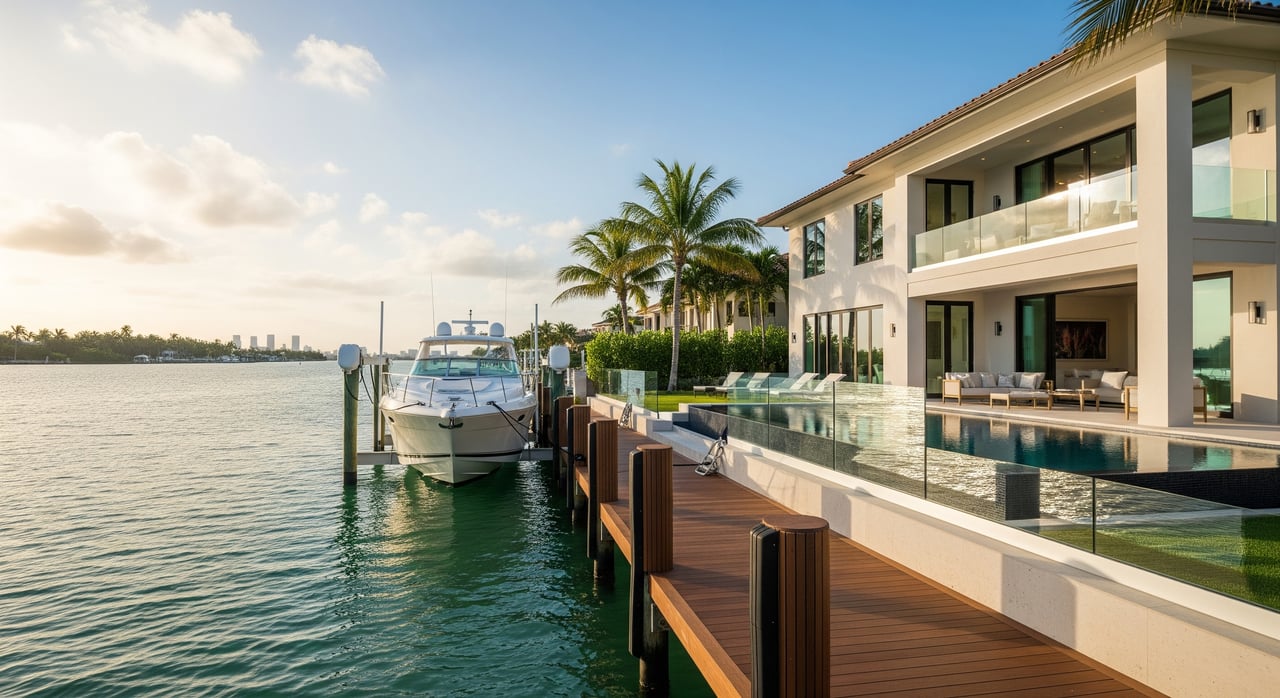
Tropical Modern blends clean, horizontal lines with climate‑savvy design. Look for flat or low‑pitched roofs, large glass doors, deep overhangs, and louvered or perforated screens that filter sun. Materials are simple and natural, like wood, stone, and smooth stucco, often with floors that continue outside to blur thresholds.
Lot and layout
Homes are often sited to capture breeze and shade rather than align strictly to the street. Courtyards and protected outdoor rooms are common, with landscaping that adds privacy and dappled light.
Indoor‑outdoor living
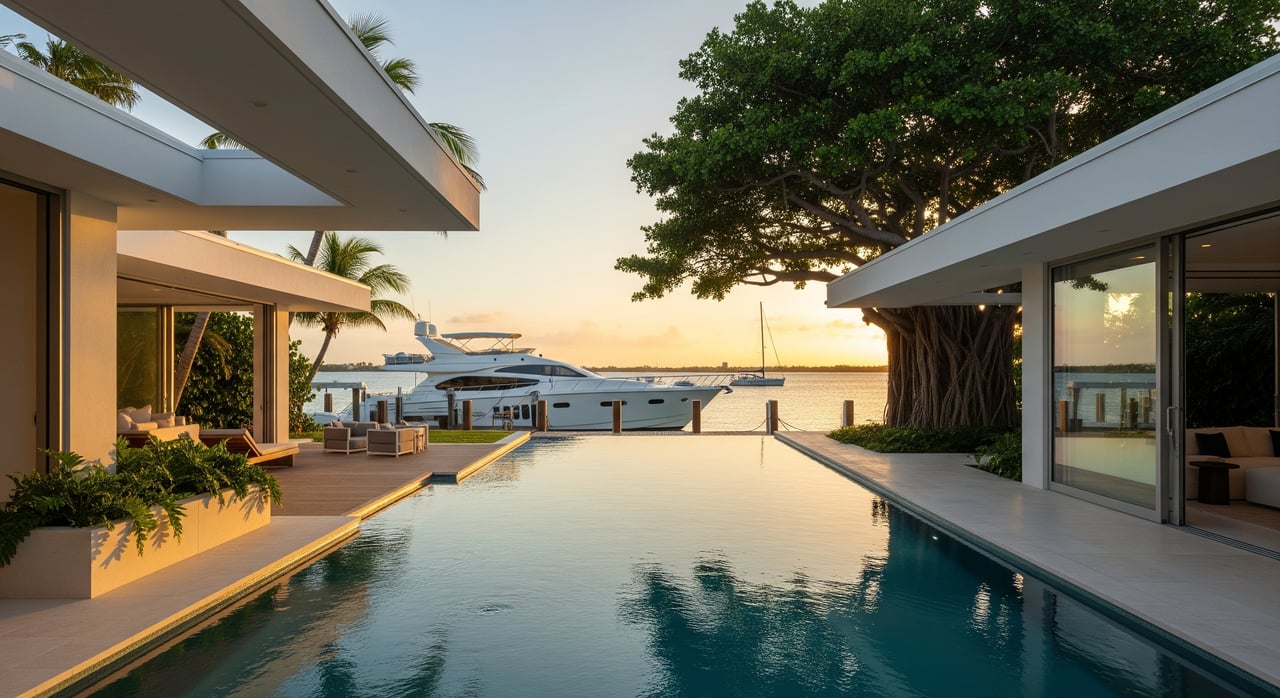
Expect large sliding or folding walls, covered loggias or lanais, shaded courtyards, and pools paired with main living areas. Screens and movable louvers help with sun control and airflow.
Buyer and seller notes
Design‑minded buyers prize the clean look and seamless flow. Many will also expect modern HVAC and hurricane‑rated glazing for larger glass spans. Preserving original details while meeting wind and flood codes can add renovation cost, but a clear architectural concept boosts resale appeal.
Old Spanish Revival essentials
Defining features
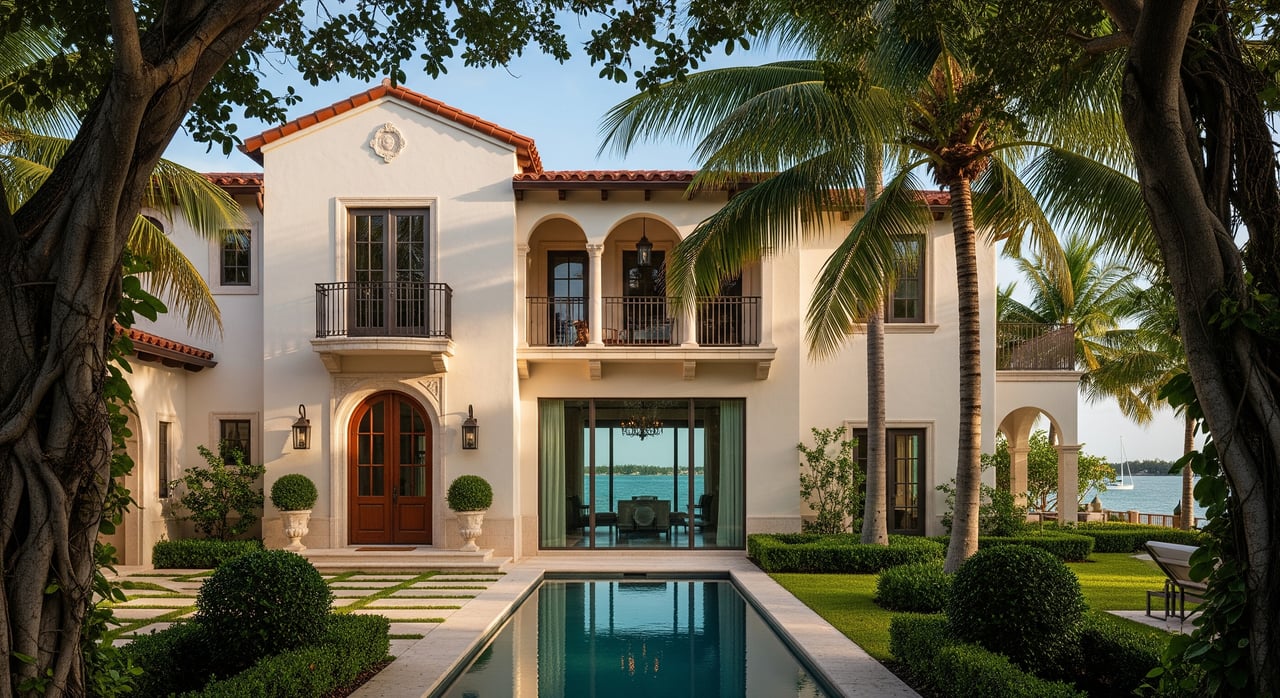
Old Spanish and Mediterranean Revival homes feature stucco walls, red clay barrel tile roofs, arches, wrought‑iron accents, carved doors, and patterned tile. Some have asymmetrical massing with small towers or parapets.
Lot and layout
Plans often center on a private courtyard. Generous lots with mature canopy and layered landscape are common, creating shaded entries and garden rooms.
Indoor‑outdoor living
Look for arcades, loggias, tiled terraces, and pergolas that keep spaces cool. Formal rooms often open to a central courtyard or garden for easy entertaining.
Buyer and seller notes
The romantic curb appeal can be a major draw. Preserving original tilework, iron details, and courtyards adds value. Older masonry and stucco homes may need updates to roofing membranes, waterproofing, electrical, or plumbing. If a property is in a designated historic area, exterior changes may require design review.
Mid‑Century Modern traits
Defining features
Many 1940s–1960s Grove homes are low and horizontal with post‑and‑beam lines, clerestory windows, and floor‑to‑ceiling glass. Terrazzo or concrete floors, natural wood, and stone accents are common.
Lot and layout
Houses often orient to breezes or garden views. Carports are typical, and winged plans may wrap patios or pools to create sheltered outdoor areas.
Indoor‑outdoor living
Sliding glass walls, screened porches, and pool terraces create continuity between inside and out. The emphasis is on casual flow and light.
Buyer and seller notes
Authentic details like original windows, built‑ins, and terrazzo are prized. Many homes need kitchen, bath, and HVAC updates, along with impact‑rated glazing to meet current wind standards. Balancing preservation with comfort and code compliance is key for resale.
Luxury new‑build trends
Defining features
Recent Grove infill includes larger, multi‑story homes with floor‑to‑ceiling hurricane‑rated glazing, rooftop terraces, integrated smart systems, and high‑end finishes. Exteriors may mix stucco, metal, engineered wood, and stone veneers.
Lot and layout
Developers often maximize setbacks and vertical space. Privacy from neighbors is addressed with screened facades, planted buffers, and elevated main floors where needed.
Indoor‑outdoor living
Expect seamless transitions: large folding doors, covered terraces, outdoor kitchens, and pools designed as extensions of the living room. Landscaping often blends native species with privacy hedges for resilience and seclusion.
Buyer and seller notes
Turnkey systems, warranties, and modern compliance attract premium buyers. Property taxes and insurance can be higher. On resale, regular maintenance and periodic finish updates help contemporary homes stay competitive.
Site and code factors in the Grove
- Lot variety: You’ll find everything from small infill parcels to larger, tree‑rich lots. The streetscape is lush, and preserving canopy is both a design asset and a permitting consideration.
- Heat, humidity, storms: Cross‑ventilation, shading, and covered outdoor rooms add comfort and value. HVAC is standard, but passive cooling still matters in daily use.
- Hurricane resilience: Impact windows and doors, reinforced roofs, and elevated or protected mechanicals are common upgrades and often required for major renovations.
- Flood and elevation: Proximity to the bay and low‑lying areas can mean mapped flood zones, base flood elevation requirements, and insurance implications.
- Approvals and permits: Historic review may apply in certain districts. Zoning controls setbacks, height, and parking. Tree protection can affect site planning or additions.
Buying and selling tips
- Focus on outdoor rooms: Covered terraces, courtyards, and pool areas are key value drivers in the Grove. Showcase them in photos and tours.
- Verify systems: Buyers expect impact‑rated glazing, reliable HVAC, and solid waterproofing. Documentation of permits builds confidence.
- Honor the style: Preserve signature details, whether it’s louvered screens in a Tropical Modern or tile and ironwork in a Mediterranean. Authenticity resonates with design‑aware buyers.
- Consider privacy: Landscape screening and thoughtful window placement elevate everyday comfort and marketability.
Renovation priorities that pay off
- Improve indoor/outdoor flow with larger openings and shaded outdoor living spaces.
- Upgrade windows and doors to hurricane‑rated products; modernize HVAC and electrical.
- Address moisture, termite, and roof or waterproofing needs in older stucco or masonry homes.
- Landscape for shade and privacy using low‑maintenance tropical plants and canopy‑friendly layouts.
- Preserve architectural integrity with period‑appropriate materials or high‑quality contemporary solutions.
- Build in time for permitting and, if applicable, historic review.
What to verify first
- Zoning: setbacks, lot coverage, height, and parking for your specific parcel.
- Historic status: whether the property is designated or within a district that requires exterior review.
- Flood: FEMA flood zone and base flood elevation for the address.
- Trees: local tree‑protection rules that may affect removals or site work.
- Wind and flood code: likely structural and glazing upgrades for renovations.
Whether you’re drawn to breezy Tropical Modern lines, a romantic courtyard, or a turnkey contemporary build, the right strategy starts with the site, the style, and the code. If you want curated advice on design potential, off‑market access, or a plan to maximize value, connect with the Ally & AJ Team.
FAQs
What defines Tropical Modern homes in Coconut Grove?
- Clean lines, deep overhangs, large sliding glass, and climate‑responsive features like louvers and courtyards that promote shade and cross‑ventilation.
How does flood zone status affect buying in Coconut Grove?
- It can influence required floor elevations, insurance costs, and renovation scope; verify FEMA mapping and local elevation requirements for each property.
Are exterior changes restricted for Old Spanish homes in historic areas?
- If a home is designated or within a historic district, exterior work like windows, roofing, or front‑yard changes may require design review and permits.
Which Coconut Grove style tends to hold resale best?
- Well‑executed design with strong indoor/outdoor flow performs across styles; authenticity, documented upgrades, and code‑compliant glazing are key drivers of value.
What upgrades do Grove buyers expect in any style?
- Impact‑rated windows and doors, modern HVAC, reliable waterproofing, and thoughtful outdoor living spaces are widely expected and appreciated.
How do lot size and tree canopy affect adding a pool or expansion?
- Setbacks, tree‑protection rules, and canopy preservation can shape where and how you build; plan early with zoning and tree ordinances in mind.