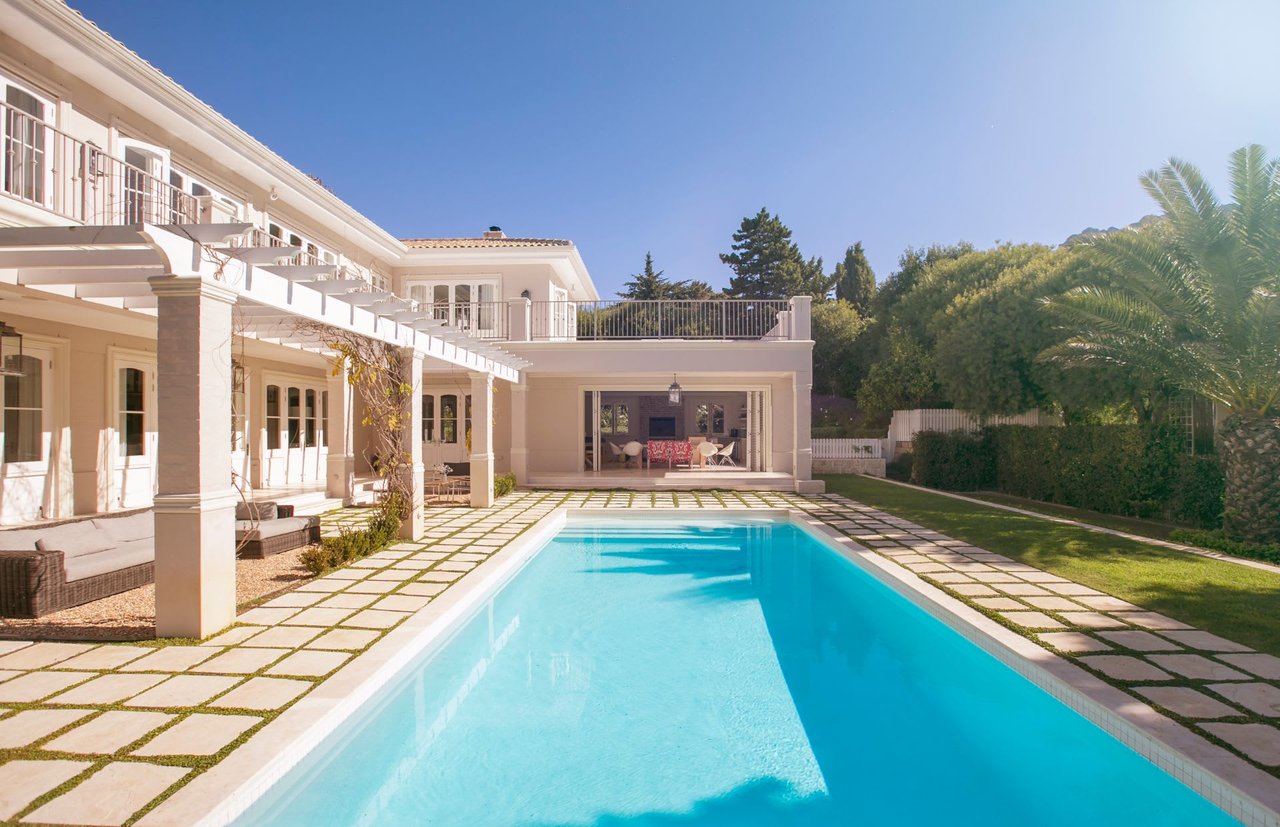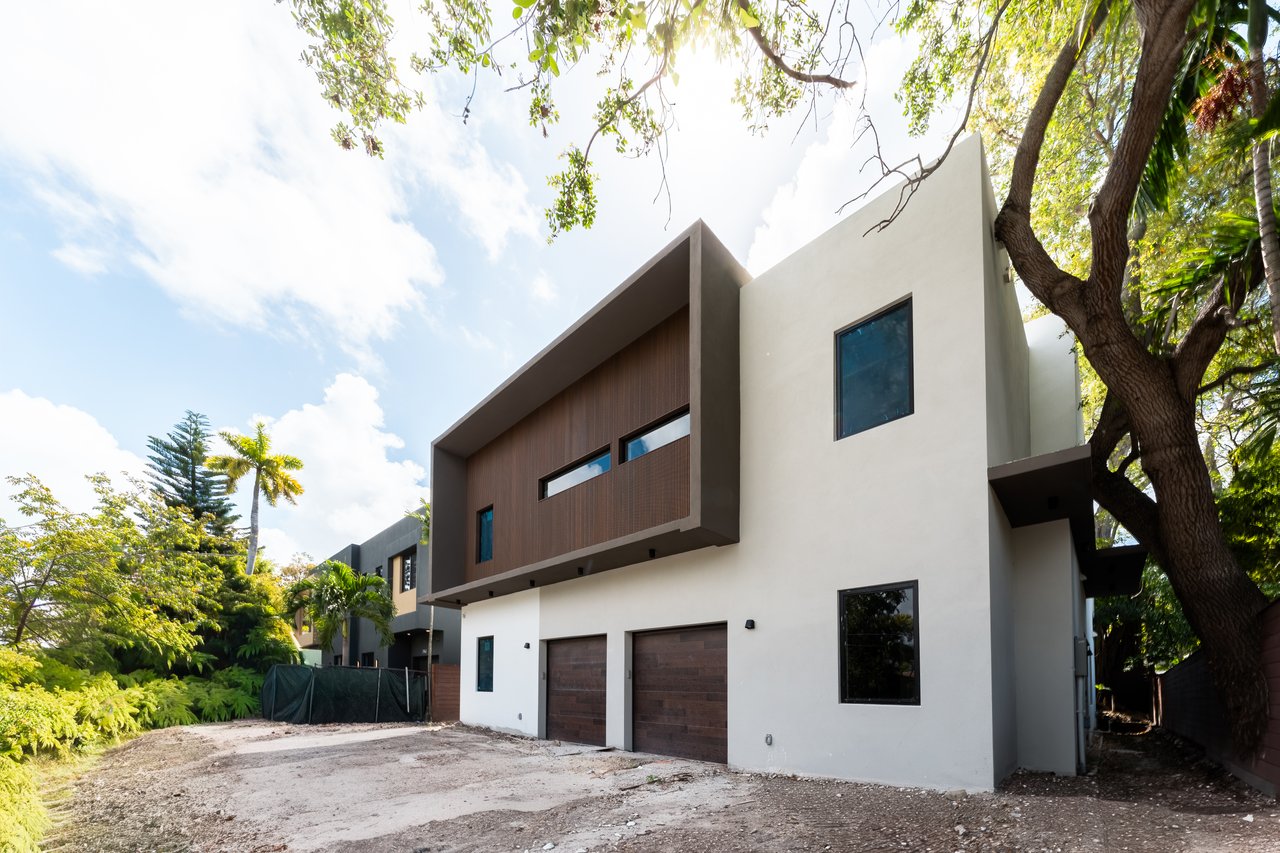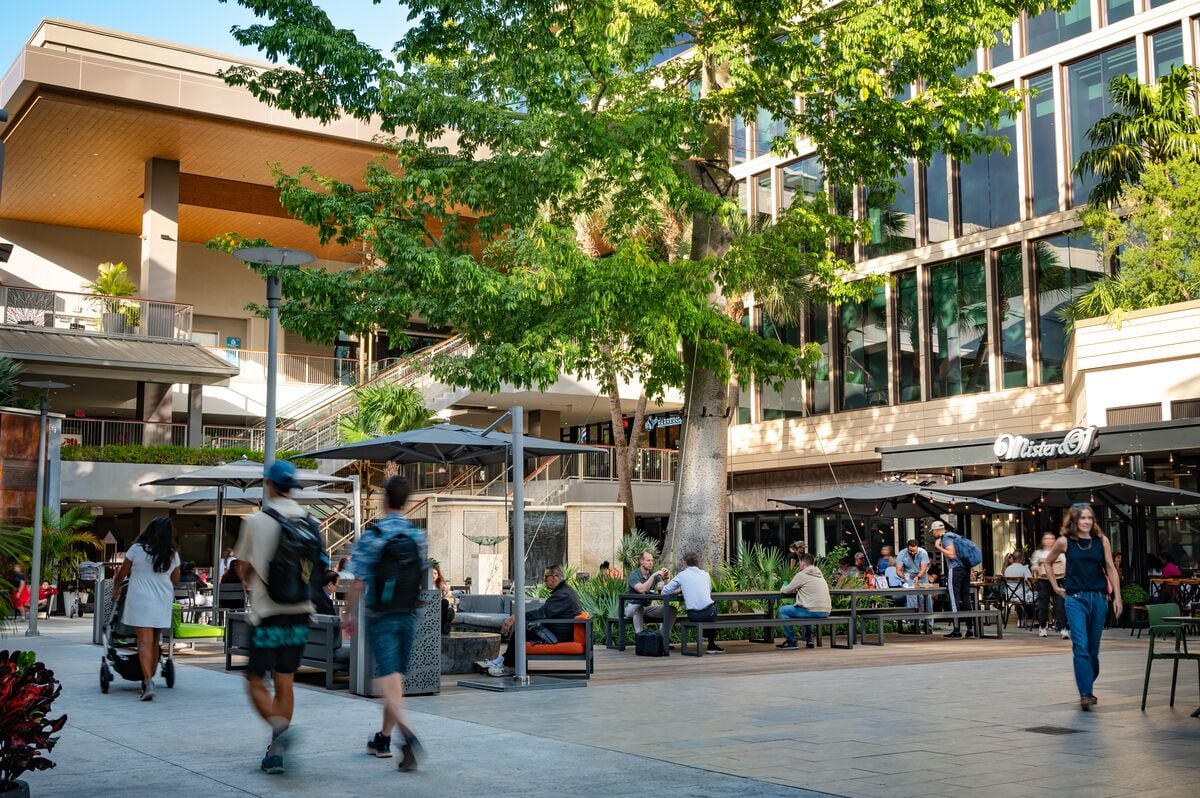
Are you weighing a sleek Miami tower against a rare Coconut Grove bayfront home? The numbers tell two different stories, and understanding them can save you time, stress, and serious money. You want clarity on where demand is strongest, how long listings take to sell, and what premium the Grove commands. In this guide, you’ll learn how to compare Miami luxury trends with Coconut Grove’s micro-market using the right definitions and metrics, so you can make confident buy or sell decisions. Let’s dive in.
Define “luxury” the right way
Luxury looks different in Coconut Grove than it does across the broader Miami–Miami Beach–Kendall area. Start by choosing a clear definition and state it upfront.
- Percentile approach: Use the top 5% or top 10% of closed sales by price in each geography. This scales naturally across neighborhoods.
- Absolute thresholds: Cross-check your findings at $1 million, $2 million, and $5 million price bands. Miami-Dade commentary often uses $1–2 million county-wide, and higher thresholds for core high-rise corridors.
Run your analysis both ways. Then show sensitivity to the threshold you choose. A home that is “luxury” at a $2 million cut may drop out of the cohort at $5 million. The way you set the bar will change the story.
Compare like-for-like property types
Never compare a Grove single-family home directly to a Brickell high-rise and call it a day. Segment first, then compare.
Single-family vs. condos
- Single-family: Coconut Grove’s luxury mix skews to single-family and premium townhomes, often on larger lots with privacy and mature tree canopy. Compare these to Miami-Dade luxury single-family results.
- High-rise condos: The broader Miami luxury set includes many tower residences in Brickell, Edgewater, and Miami Beach. Compare these together instead of lumping them with Grove houses.
Waterfront vs. non-waterfront
Waterfront is its own market. For the Grove, also consider price per waterfront linear foot or price per lot acre for land-heavy estates. These help explain premiums that pure price per square foot can miss.
Low-rise vs. high-rise product
Coconut Grove has a meaningful share of low-rise condo and townhome options. Sort condos by building height where possible. A low-rise with garden views behaves differently from a 40th-floor bay-view tower.
Focus on the metrics that matter
Price per square foot
Use price per square foot based on Gross Living Area. Rely on the median to reduce outliers. Compare like-for-like product and luxury cohorts to see real differentials. For land-heavy or waterfront properties, supplement PPSF with lot-based measures to avoid understating value.
Absorption and months of inventory
Months of inventory is the clearest way to read supply and demand:
- Formula: Active listings divided by average monthly closed sales.
- General read: Under 3 months suggests a very tight seller-leaning market. Between 3 and 6 months leans balanced to seller. Over 6 months leans buyer.
Always use a 12-month rolling view to smooth noise. For the Grove’s small sample sizes, consider 24-month smoothing for stability.
Days on market
Report the median days on market for closed sales and be explicit whether DOM is measured to contract or to close. When possible, show the distribution by including the 25th and 75th percentiles. Rolling medians help you avoid head fakes from one-off listings that sit for months.
Cash share and pending pipeline
In Miami luxury, cash closings are common. Track the percentage of cash purchases as a signal of rate sensitivity and closing speed. Pending contracts and active listings offer a read on near-term momentum and future inventory.
Why Coconut Grove acts differently
Coconut Grove is a micro-market with structural constraints and a distinct product mix.
- Supply: Limited land, stricter zoning, and a smaller pipeline keep luxury inventory tight. That scarcity supports long-run value and can stretch months of inventory when a handful of listings hit at once.
- Product: More single-family and low-rise residences with bay adjacency, privacy, and architectural pedigree. These traits drive premiums not fully captured by condo-centric metrics.
- Volatility: Fewer monthly luxury sales mean statistics can swing on a small number of closings. Use rolling windows and note sample size in your comparisons.
- Off-market activity: High-end Grove properties often trade quietly. MLS closed sales may undercount total activity, especially at the ultra-luxury tier.
Read momentum without getting misled
- Use 12-month rolling windows for Miami-Dade and 12–24 months for the Grove luxury set.
- Add 3-month and 6-month snapshots for current momentum, but avoid big calls based on a single month.
- Separate new development closings from resales. Bulk or discounted developer sales can skew absorption and PPSF.
- Flag outliers. Calculate medians with and without ultra-high or ultra-low PPSF. The picture should be consistent both ways.
- Be clear on methodology. Different portals handle DOM, PPSF, and inventory differently. State whether you used MLS closed sales and whether you excluded pending or under contract listings from active counts.
For buyers: navigate The Grove’s edge with discipline
If you are evaluating Coconut Grove against the broader Miami luxury market, build a clean, repeatable approach.
- Define your luxury cohort: Top 5% by price in each area, then cross-check at $2 million and $5 million.
- Compare like-for-like: Grove single-family vs Miami-Dade single-family; Grove low-rise vs Miami low-rise; waterfront vs waterfront.
- Read PPSF in context: For estates, add lot size and any waterfront linear-foot analysis to see the full premium.
- Track liquidity: Combine months of inventory with median DOM and the share of cash closings for speed-to-close expectations.
- Watch pending contracts: Rising pendings with stable inventory can signal improving absorption before prices move.
- Line up access early: Because off-market deals are common, work with an advisor who can surface private options before they hit the MLS.
For sellers: price with precision, market with intention
Selling at the Grove’s edge is about positioning your property in the correct band and showcasing the attributes the market pays for.
- Choose the right comp set: Match by property type, waterfront status, and lot characteristics. Use the median PPSF and then test sensitivity with and without outliers.
- Read inventory depth: Months of inventory in your segment is your guide to pricing and timing. Under 3 months supports a tighter pricing lane. Above 6 months calls for sharper differentiation.
- Set realistic timing: Use rolling median DOM, not the longest-running listing on your block. Expect ultra-luxury waterfront to take longer to find the precise buyer.
- Highlight premium drivers: Waterfront adjacency, lot size, privacy, architecture, and renovation scope. These justify a premium when backed by data.
- Be strategic about exposure: Consider discrete pre-market or private-list strategies for high-sensitivity assets, then leverage global distribution once the story is perfected.
A simple Grove vs. Miami checklist
Use this quick framework for side-by-side comparisons of Coconut Grove (33133) and the broader Miami–Miami Beach–Kendall area.
- Cohort: Top 5% by price, plus $2 million and $5 million thresholds
- Property type: Single-family, low-rise condo, high-rise condo, townhome
- Waterfront flag: Yes or no; add lot size and linear feet when relevant
- Metrics to track:
- Median PPSF (plus mean when dollar-volume matters)
- Median DOM and interquartile range
- Months of inventory and active luxury listings
- Closed sales per month (rolling) and pending counts
- Share of cash closings
- Time windows: 12-month rolling as your base, with 3-month and 6-month snapshots; consider 24 months for Grove smoothing
- Data hygiene: Exclude bulk developer closings; state whether DOM is to contract or close; confirm measurements are based on Gross Living Area
Data sources you can trust
Anchor your analysis to authoritative sources. Prioritize MLS closed sales for PPSF, DOM, and inventory. Cross-check with Miami Association of REALTORS market reports, Miami-Dade County Property Appraiser records for property characteristics, and recognized broker research for luxury commentary. For long-term price context, review the Miami metro index from established housing benchmarks. Be consistent and transparent with your definitions.
Bottom line for investors and executives
When you compare Miami luxury trends to Coconut Grove’s micro-market, remember that product mix, scarcity, and waterfront dynamics drive most of the gap. Use months of inventory to read liquidity, pair PPSF with land and waterfront factors, and smooth the data to avoid small-sample noise. If you keep the analysis like-for-like and methodical, you will see where Coconut Grove commands a premium and when the broader market offers faster liquidity.
If you want a grounded, private-first view of current opportunities at The Grove’s edge, we can help you source, value, and negotiate with precision. For discreet access and design-forward guidance, connect with the Ally & AJ Team. Hablamos español.
FAQs
Is Coconut Grove more expensive per square foot than Miami luxury overall?
- It depends on property type and definition. Compare median PPSF for like-for-like cohorts (for example, Grove single-family vs Miami-Dade single-family) over a 12-month rolling window, then show the percent difference and sample size.
How long does it take to sell a luxury home in Coconut Grove?
- Use median DOM for closed sales, specify whether it is to contract or close, and add months of inventory for context. Smooth with 12–24 month rolling windows because small samples can swing results.
What is the best way to define “luxury” for this comparison?
- Start with the top 5% of closed sales by price in each geography, then cross-check with absolute thresholds at $2 million and $5 million. Show sensitivity to the definition you choose.
How should I measure waterfront premiums in the Grove?
- Compare median PPSF and median price for waterfront vs non-waterfront cohorts, then add lot size and price per waterfront linear foot to capture value drivers on larger estates.
Which data sources should I rely on for this analysis?
- Prioritize MLS closed sales for PPSF, DOM, and inventory; supplement with Miami Association of REALTORS reports and Miami-Dade County Property Appraiser records. Be transparent about exclusions like bulk developer closings.